We finally made it out of New York and reached our first real destination, Shawme-Crowell State Forest in Massachusetts.
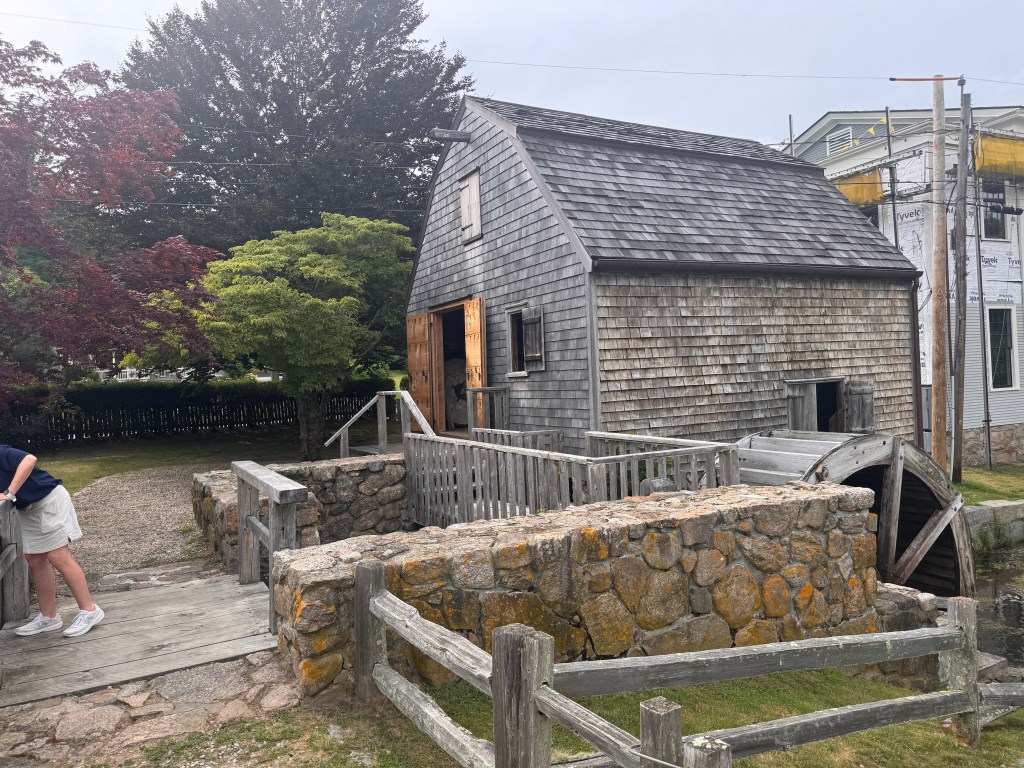
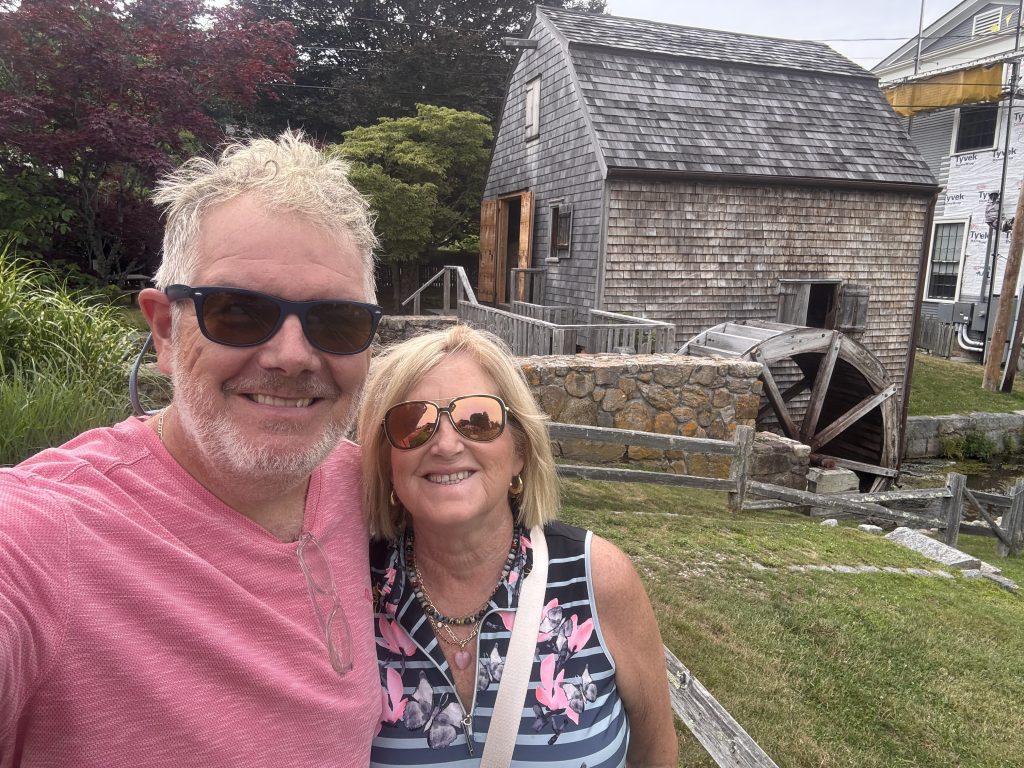
One of the reasons we wanted to come here was because of Wendy’s family history. While researching our genealogy, I discovered that one of her ancestors, Thomas Dexter, built a grist mill in Sandwich, Massachusetts, back in the 1600s. He is Wendy’s tenth great-grandfather, and remarkably, the mill is still standing. Even more impressive, it is still operating today as a historical attraction. There was no way we were going to pass up the chance to see something built by one of her ancestors nearly four centuries ago.
When we got to the mill on our first day, it was just closing. I begged the ladies running it to let us in, and when we told them that she was a long-lost descendant of the original builder of the mill they relented and let us in. It was a quick and dirty tour but it was what we had come to see and it was amazing to see a part of our families history in the works.
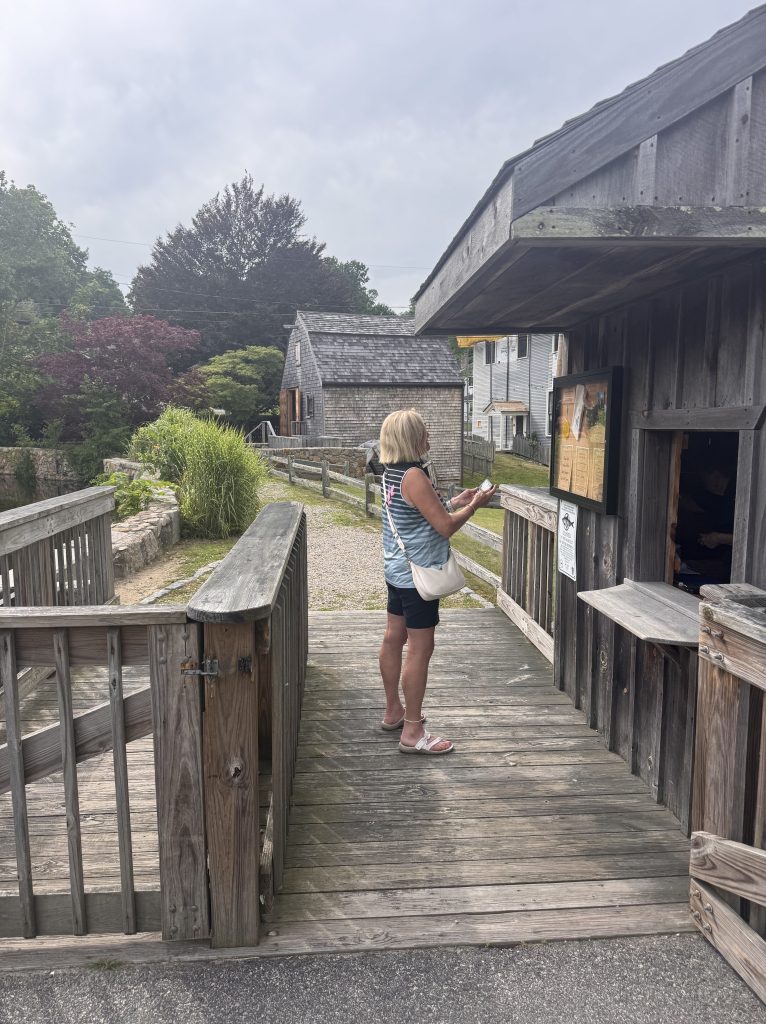
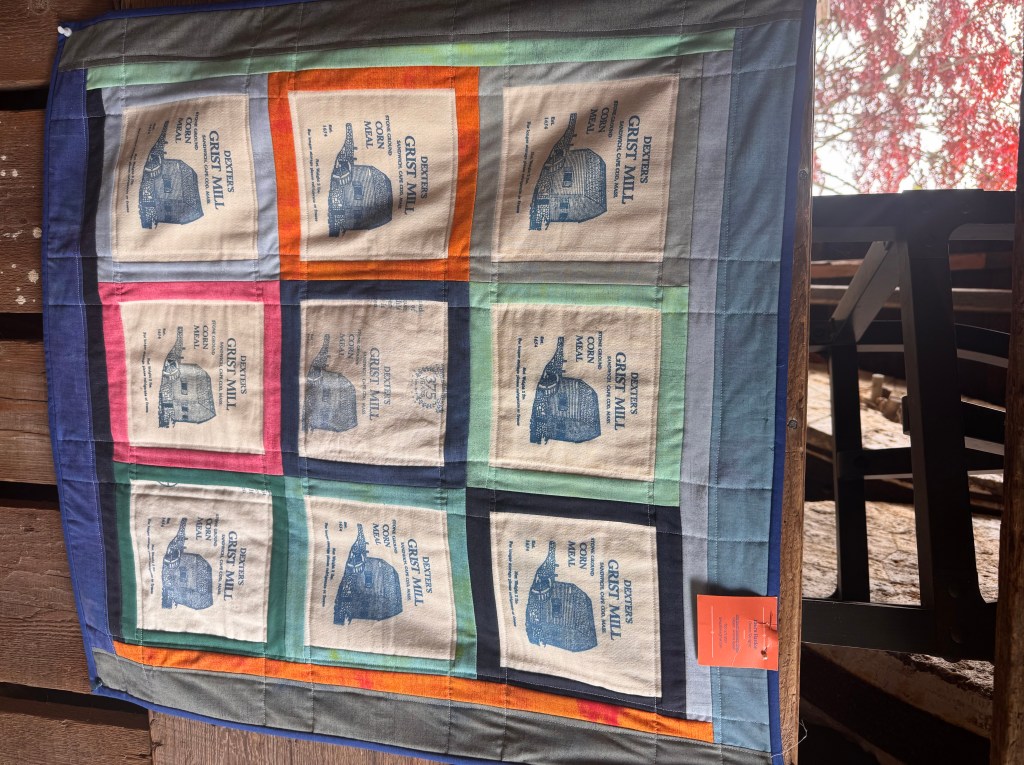
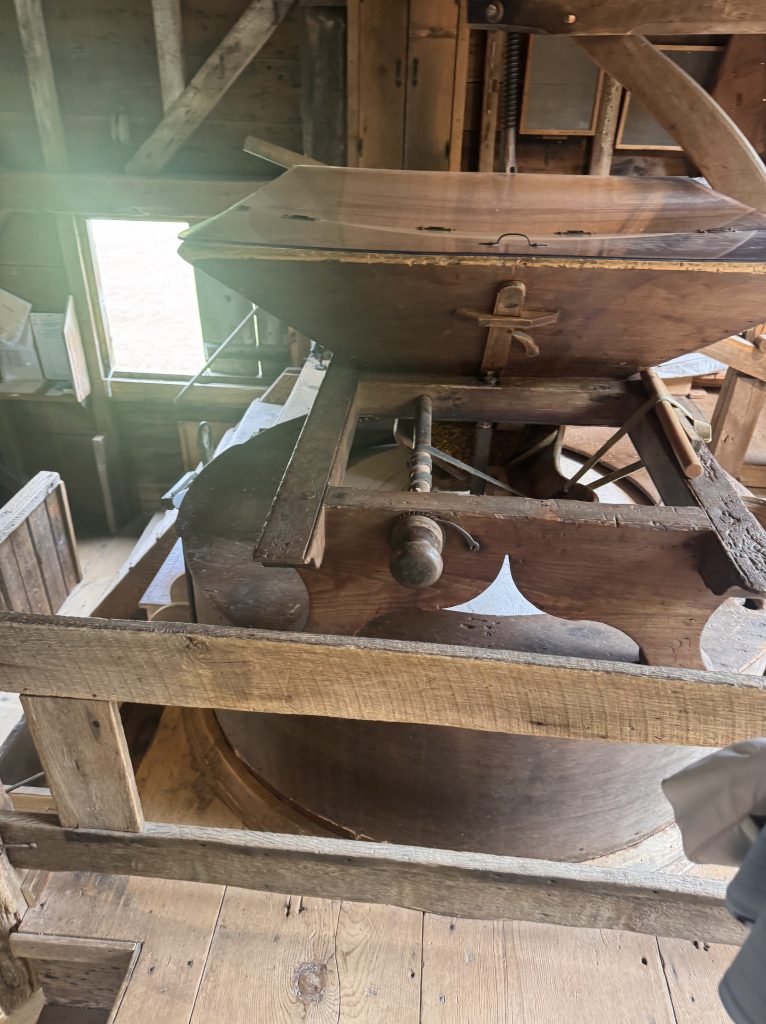
It turned out to be a pretty damn good decision that we had coerced our way in. The mill had such limited hours that, with all the other activities we had planned, there was no way we were going to make it back.
The Dexter Grist Mill dates back to the 1640s, when Thomas Dexter built it along what is now Shawme Pond. It is still in its original location, right in the heart of historic Sandwich. Standing inside that old mill, looking at machinery and timbers that had been part of the town’s history for centuries, was pretty damn amazing.
And, thanks to Wendy’s family connection and a little last-minute begging, we got to see it when we otherwise would have missed it completely.
Shawme-Crowell State Forest is only a short drive from the mill, making it the perfect place to stay. It is a beautiful park with heavily wooded campsites that feel private and peaceful. There is just one small catch. There are no hookups.
Fortunately, we had filled the fresh water tank on arrival, so that lesson had already been learned. The campground seems to have been designed more for tents than thirty-foot fifth wheels, and squeezing our camper into the site took a little creativity. Eventually, with only a minor amount of marital coaching, we got it parked.
The bigger challenge was electricity.
This was our first time camping without shore power. Right before leaving home, I had bought a Maxpeedingrods generator from Amazon. It had already given me trouble in Kentucky. The electric start refused to work because the battery was not supplying power to the control module. Oddly enough, if I plugged a USB power source into the generator, everything came alive. There just was not enough power from the internal battery to crank the engine.
Customer support kept insisting the battery simply needed charging. I knew that was not the problem, but after several frustrating emails we ran out of time. I packed it into the truck and hoped I could make it work on the road.
My plan seemed simple enough. Plug the generator into the truck’s AC power, start it, unplug the cable, and enjoy all the electricity we needed.
The first part worked perfectly.
The second part did not.
The generator started, then immediately tripped out. No power.
So now we were camping entirely on battery power.
I honestly had no idea how long the camper batteries would last. My biggest concern was keeping the refrigerator running. The next morning, after only one night, the battery monitor was already showing one-third remaining. That was not good.
I went into conservation mode. Coffee was made on the propane stove instead of using any electric appliances. Lights stayed off unless absolutely necessary. Every unnecessary switch remained off. Even so, I was surprised how quickly the batteries drained.
Another surprise was the complete lack of cell service inside the campground. Not weak service. No service. I could not even send a text message. Drive outside the park and everything worked perfectly. Inside the park, nothing. It made researching generator problems nearly impossible and reminded me just how dependent we have all become on our phones and the internet.
To make matters even worse, my 115-day Wordle streak came to an abrupt end because I could not connect to the internet.
Now those are real-world problems.
The next morning I finally got the generator running long enough to charge the batteries. When I plugged the camper into it, the generator immediately showed a load of about 1,500 watts. That surprised me because I only had on a few lights and the fridge. AC was off.
Lesson learned.
When your batteries are heavily discharged, charging them takes first priority. It does not matter how much generator capacity you have available. The charger grabs a huge chunk of it right away. Turning on the air conditioner at that point would have tripped the generator again.
After the batteries recovered for a while, the power draw gradually dropped to around 800 watts. At that point I probably could have run the air conditioner if I had needed it.
Fortunately, Mother Nature cooperated. The evenings were cool enough that we never needed the air conditioner at all.
Sometimes it is better to be lucky than good.
The next day we headed to Martha’s Vineyard, and that turned into an adventure all by itself.
Our plan was to take our electric bikes over and spend the day exploring the island. Getting there, however, was almost as much work as touring it.
Parking near the Steamship Authority terminal in Woods Hole was extremely limited, and by the time we arrived, every nearby lot was full. To make matters worse, the shuttle buses from the remote parking lots could not accommodate electric bikes.
Our solution was less than ideal. I dropped Wendy and the bikes off at the terminal, then drove around until I finally found an available parking space nearly ten miles away. After that, I had to catch the shuttle bus back to the terminal. By the time I returned, I had spent nearly an hour just dealing with parking.
We had briefly considered taking the truck across to the island, but vehicle reservations have to be made well in advance. We learned that lesson a little too late.
Once we finally boarded the ferry from Woods Hole, all of the frustration disappeared. The ride across Vineyard Sound was relaxing, and before long we were rolling off the ferry and onto the island.
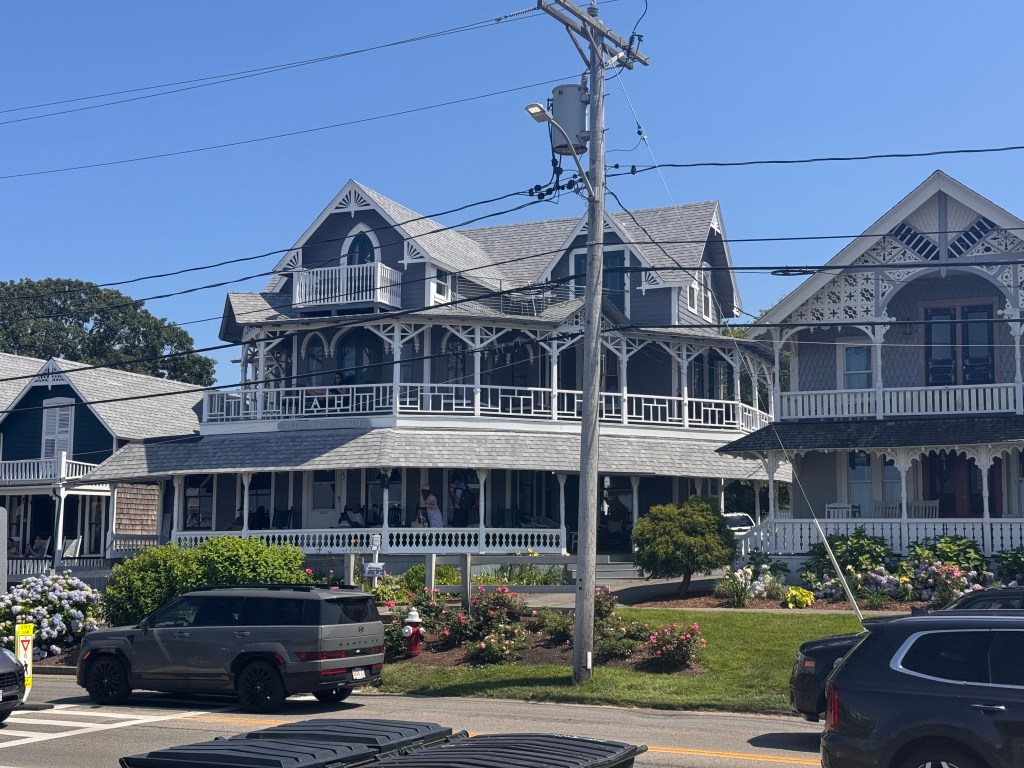
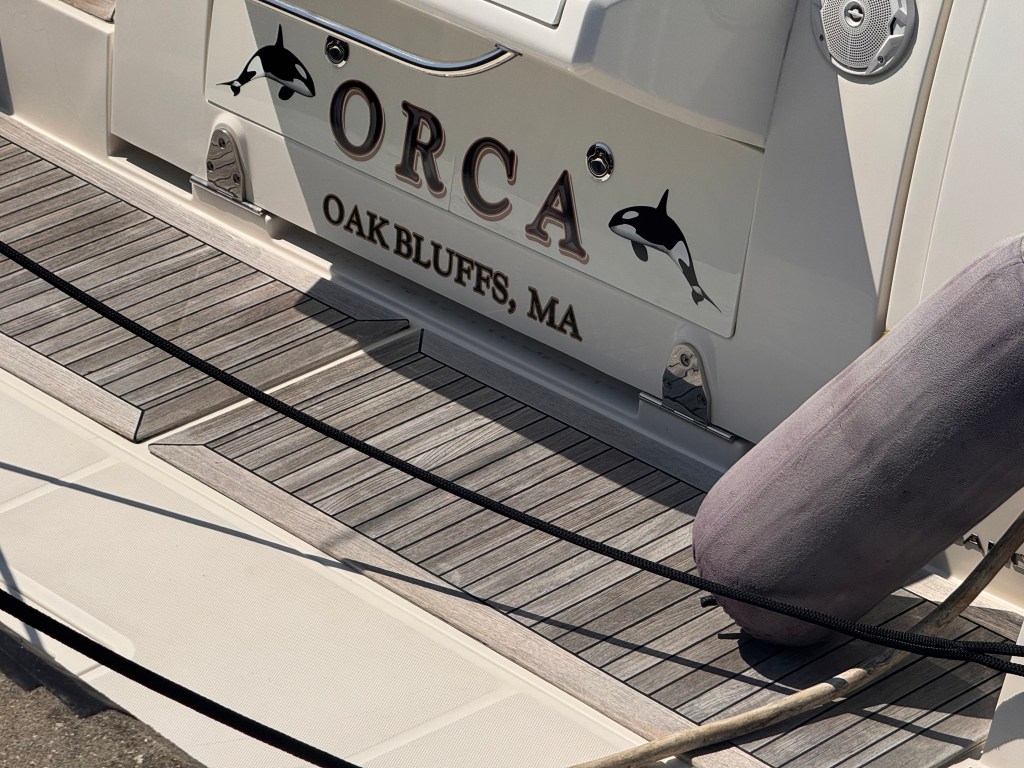
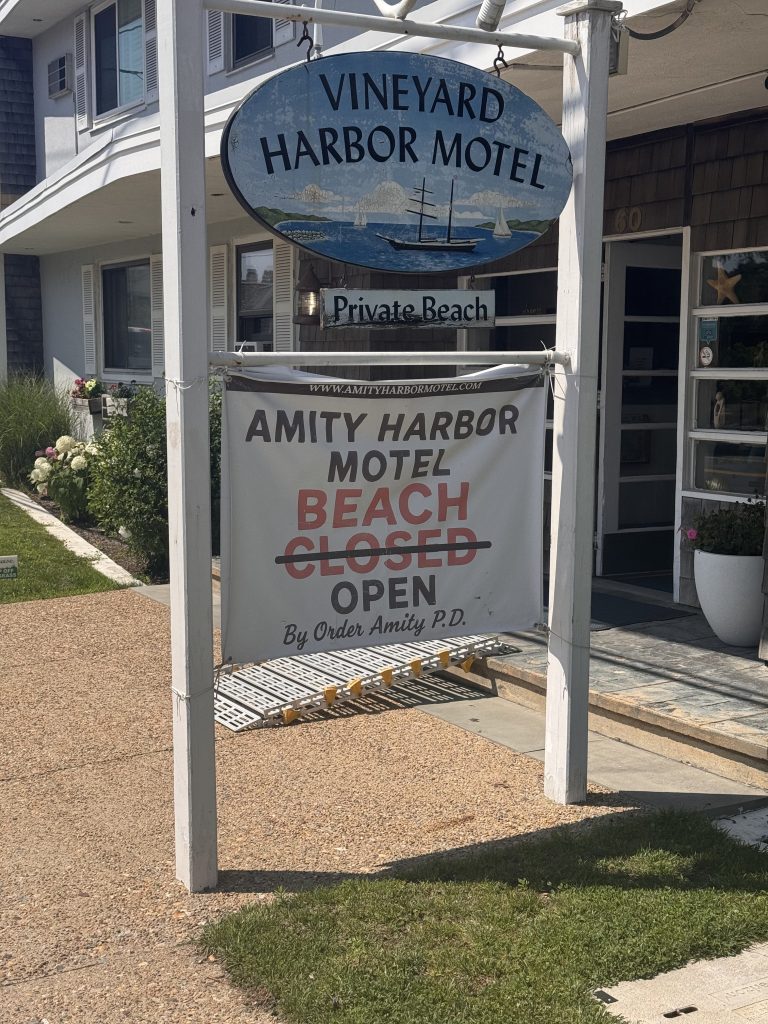
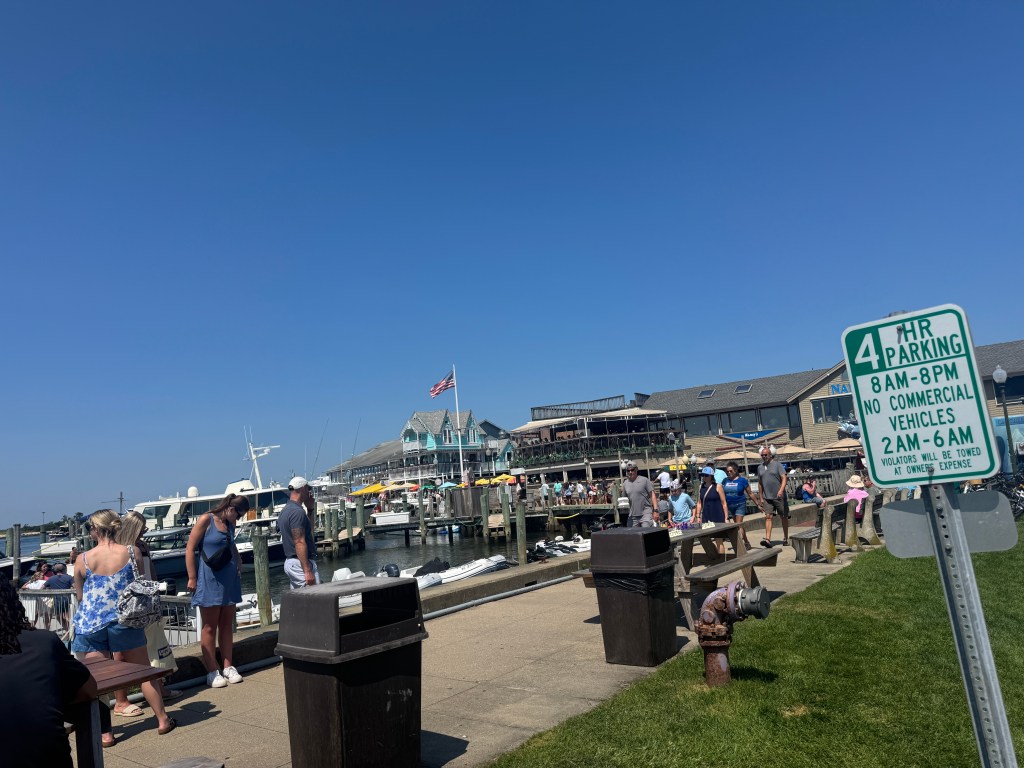
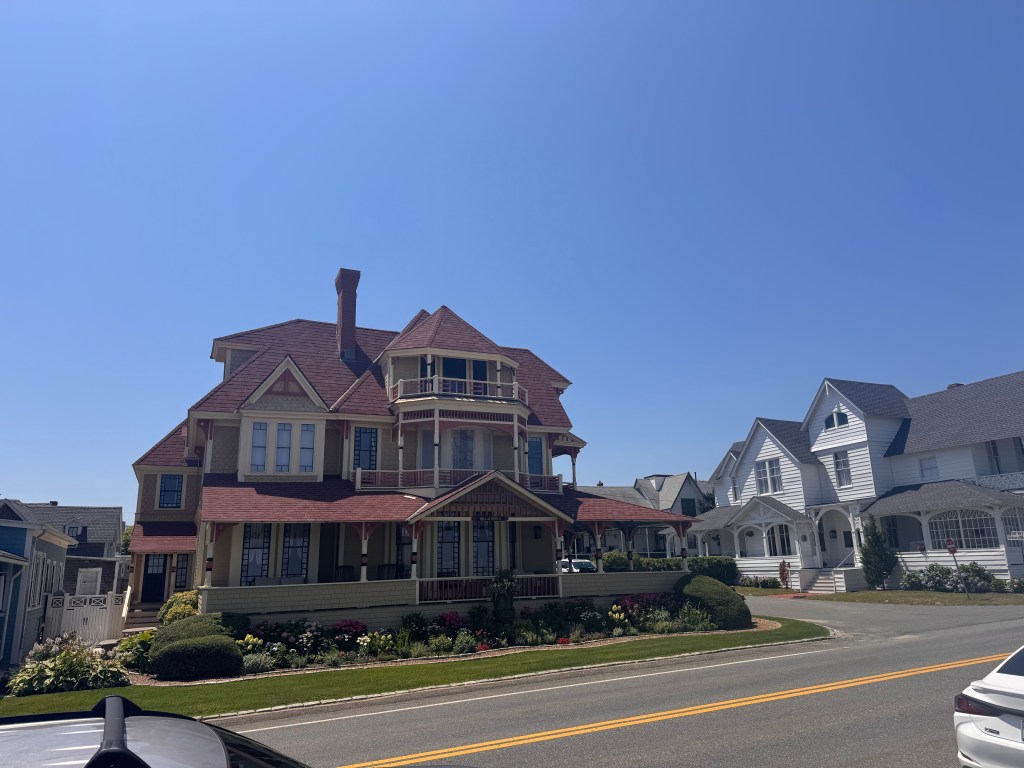
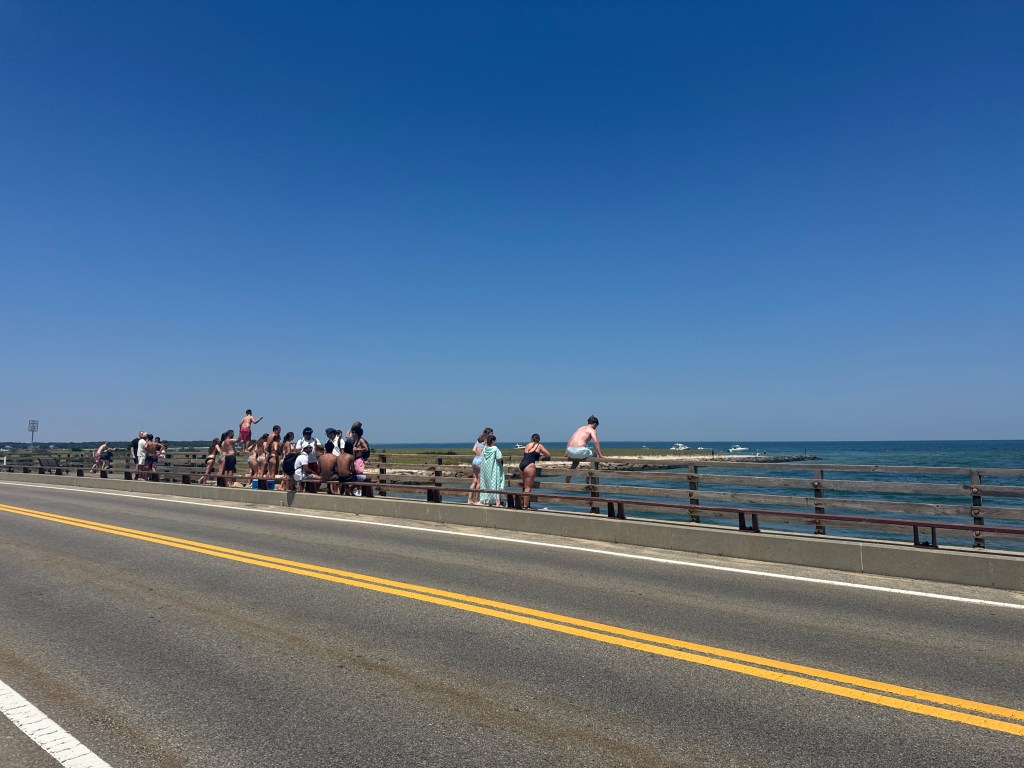
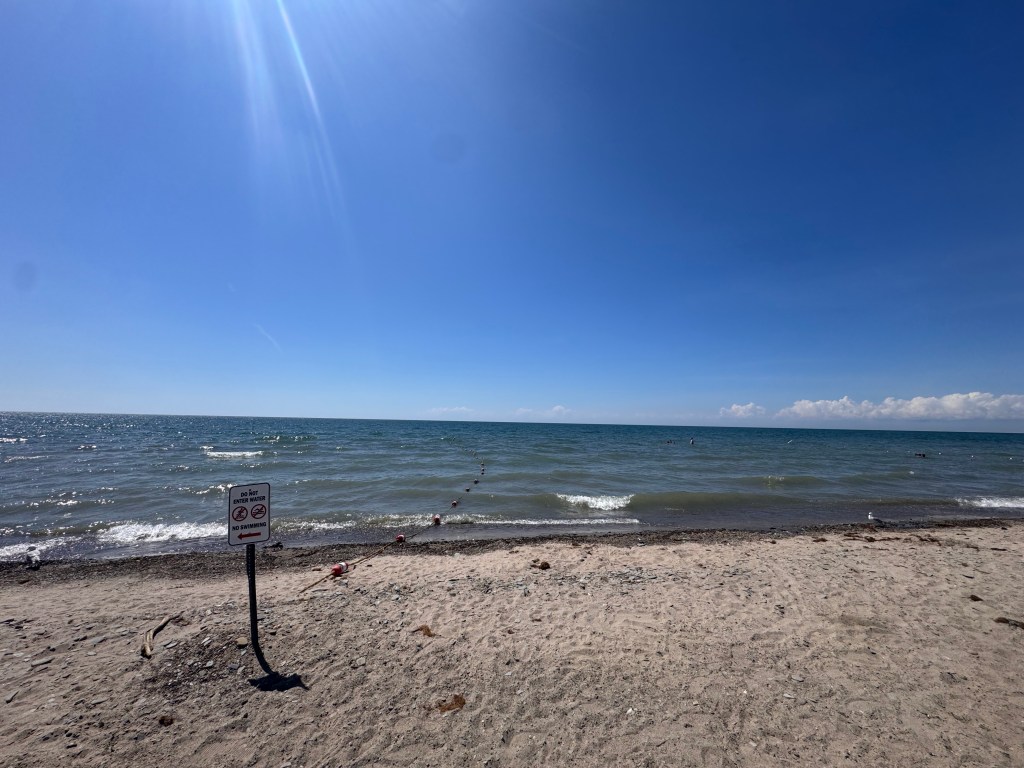
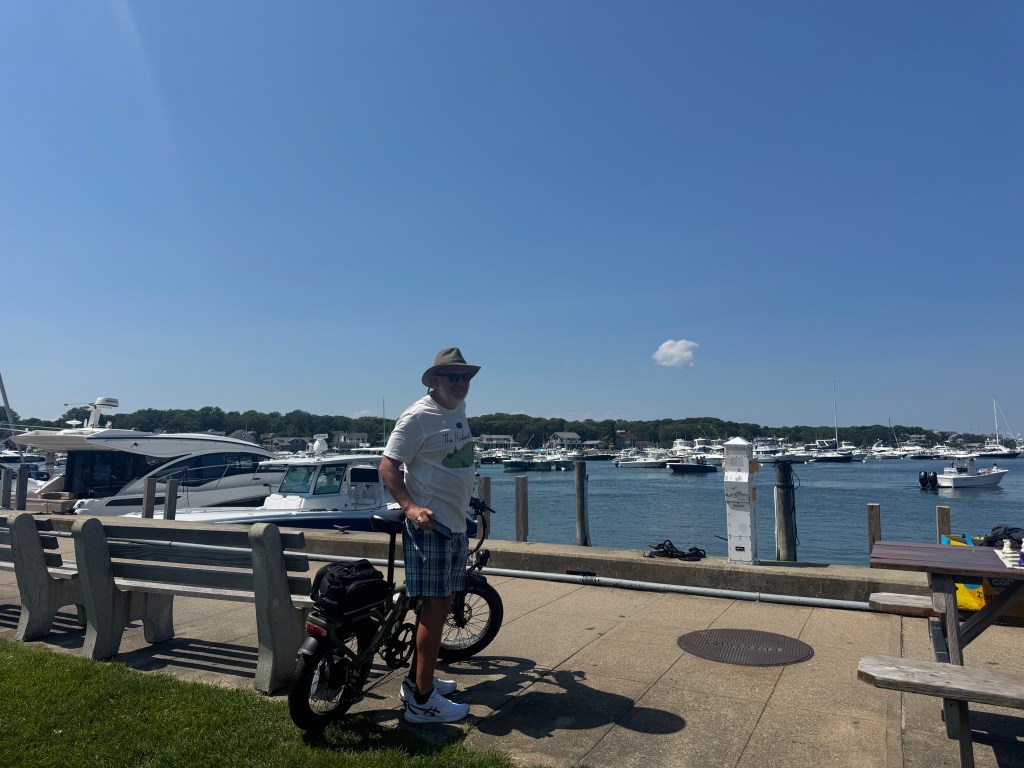
The electric bikes turned out to be one of the best things we had brought for this trip. Martha’s Vineyard is incredibly bike friendly, with paved trails connecting many of the island’s most popular attractions. We spent the day riding through charming towns and along beautiful stretches of coastline. We visited the famous Gingerbread Cottages in Oak Bluffs, stopped at the Jaws Bridge, explored several beaches, and simply enjoyed wandering wherever the bike paths led us.
It was a wonderful day, and I would recommend Martha’s Vineyard to anyone visiting Cape Cod. If you have electric bikes, bring them. They let you see far more of the island than you could on foot without the hassle of driving and finding parking.
The best surprise of the day came after we returned to Woods Hole.
Neither of us wanted to deal with the shuttle buses again, so before leaving the terminal I entered the route to the truck into my phone, expecting it to send us along busy roads.
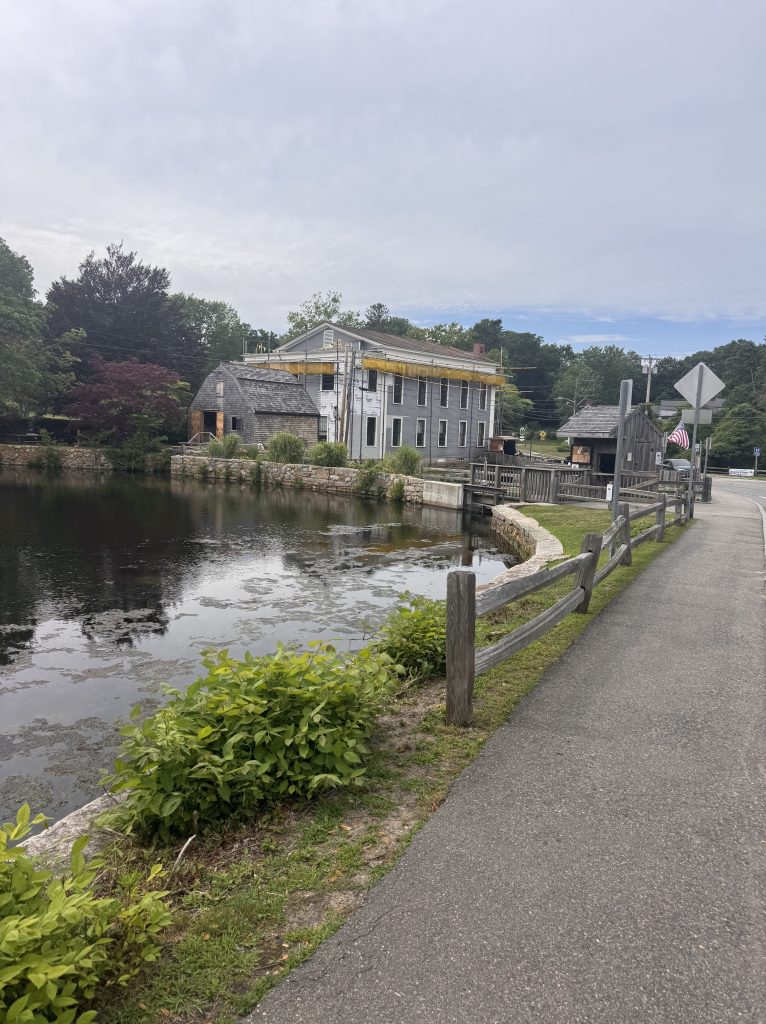
Instead, it guided us onto an incredible bike trail that ran almost the entire way back to the parking lot.
What followed was one of the most enjoyable bike rides we have ever taken. For nearly ten miles we pedaled through quiet woods, alongside ponds and marshes, past beaches, and by beautiful homes tucked among the trees. It was peaceful, scenic, and completely unexpected.
If we had known about that trail earlier, I never would have bothered with the shuttle bus in the first place.
After two days of boondocking, we decided we had earned a few modern conveniences. We were ready for electricity, reliable internet, and a long, hot shower that did not require carefully monitoring the battery gauge.
Rather than stick to our original plan, we packed up a day early and booked a campground about halfway to our next destination. It would shorten the following day’s drive and, just as importantly, reconnect us with the technology we had been missing.

 Books by Michael Klauke
Leave a comment